See more. Decide better.
 Accounting software and business analytics: where bookkeeping stops
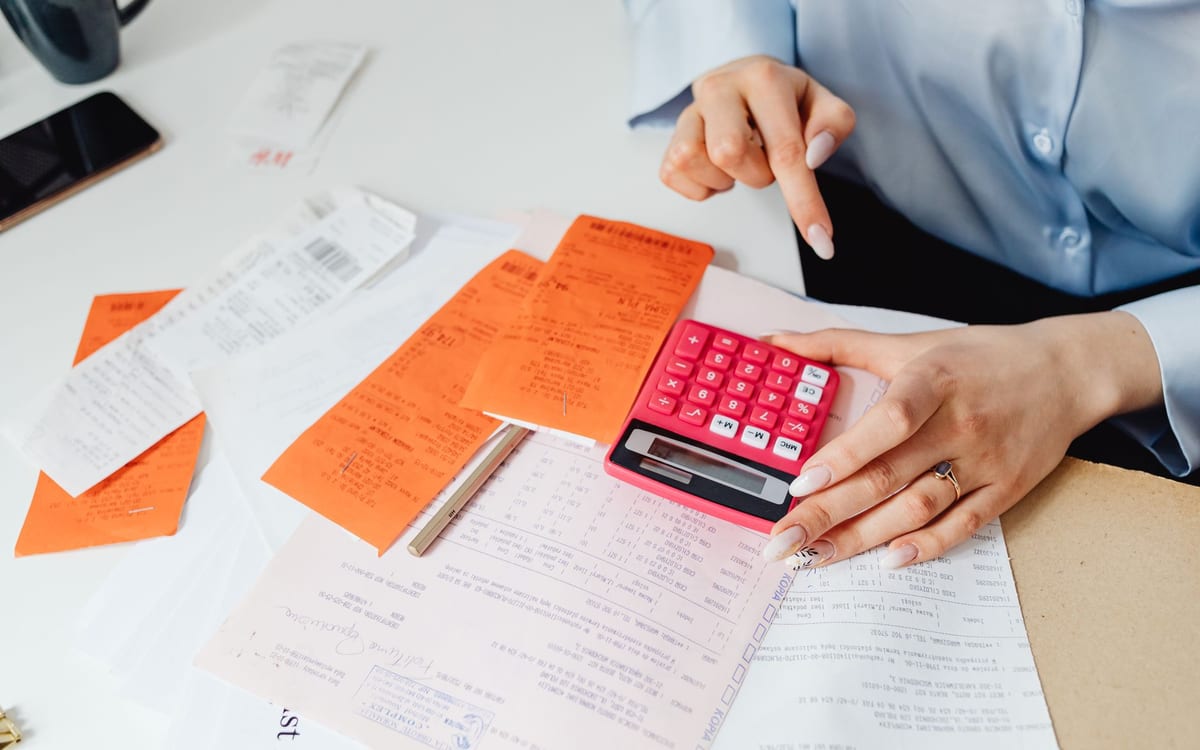
Almost every company in Lithuania has well-kept accounting software. And in almost every company, the manager still asks the accountant to “quickly pull some numbers into Excel”.
This is not a flaw in the software. It is a matter of different jobs: accounting software is built to record data, not to analyse it.
What accounting software does well
An accounting system does work that nothing else will do:
- it records every transaction in line with legal requirements;
- it maintains the general ledger, VAT and statutory reporting;
- it stores source documents and the links between them;
- it makes sure the figures reconcile and can be audited.
It is a data source you can trust. The problem starts not with data quality but with the question “what do these figures mean?”
Where accounting software reaches its limits
Accounting software reports answer the question “how much?”. A manager usually needs answers to “why?” and “what next?”.
In practice it looks like this:
- The report shows last month, not the trend. Comparing three years side by side almost always means a manual export.
- Data comes out as PDF or Excel. A breakdown by department, sales manager or product group has to be requested separately.
- There is no link between modules. Sales are in one place, debts in another, inventory in a third — and the manager needs all three on one screen.
- A person prepares the report. That means it appears when that person has time, and only as often as they can manage.
Two days a month spent copying data adds up to almost a month a year. We describe how to get out of this step by step in the article how to stop producing manual Excel reports.
What companies in Lithuania choose
The two accounting systems most commonly found on the Lithuanian market are Rivilė and Finvalda. Both reliably capture everything needed for analysis: sales, cost of sales, stock balances, customer debts and general ledger accounts.
The software is usually chosen according to the nature of the business — trading, manufacturing and services each rely on different modules. When choosing, it is worth considering one more thing from the outset: whether an analytics system can be connected to the software. A closed system from which data can only be extracted by hand ends up costing more over time than the licence itself.
What a business analytics system adds
A business analytics system does not replace the accounting software or duplicate it. It connects to the same data and answers different questions:
- profitability by department, product group and customer, not just a single total;
- comparison with the previous year and the budget, automatically, with no manual work;
- trends over several years in a single chart;
- drill-down — from a summary figure to a specific invoice in a couple of clicks;
- access on a phone for a manager who is not sitting at a computer.
The most important practical feature is that the reports update themselves. Data is pulled from the accounting software on a schedule, so the morning report is already waiting when you arrive at work.
How data moves from accounting into reports
The connection is read-only — the analytics system does not change any data and writes nothing back to the accounts. Nothing needs to be changed in Rivilė or Finvalda itself.
The rest is straightforward: we review how the data is structured in your system, adapt the reports to your departments and product groups, and set the automatic refresh frequency and access rights. With a ready-made report package this usually takes a few days — find out more on the Power BI implementation page.
Where to start
You do not need to change your accounting software or start with a large project. The simplest route is a ready-made report package that connects to your system:
- Rivilė Basic with 8 reports or Rivilė PRO with 20;
- Finvalda Basic or Finvalda PRO.
Prices start from €59 a month — you will find a comparison on the pricing page, and you can see what the reports themselves look like on the examples page.